Ranked by human evidence · every claim sourced · updated September 2026
What will actually help
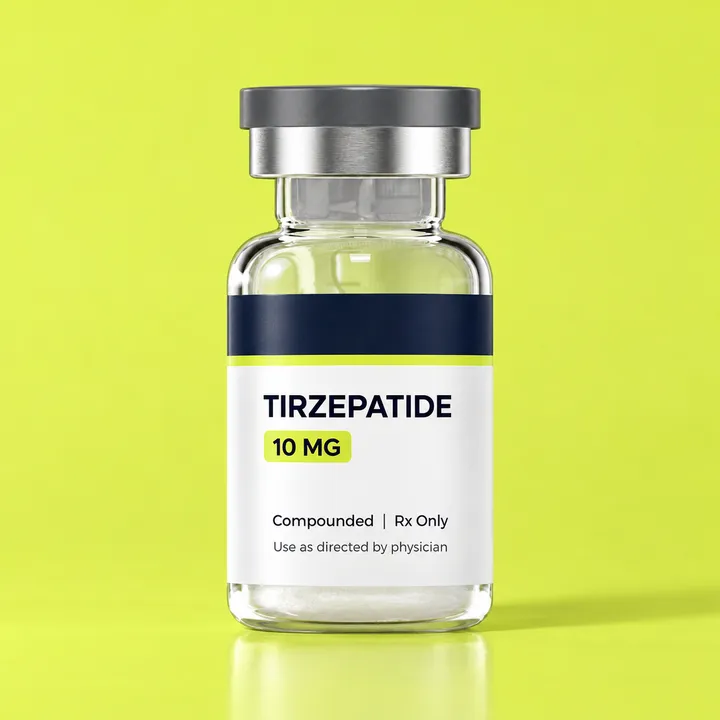
Stop snoring, sleep through the nightIf you snore, wake gasping or your partner reports pauses — that is sleep apnea, and tirzepatide is FDA approved to treat it with obesity. Real trials, real prescriptions, real mornings. This is the strongest card on the page.
Real results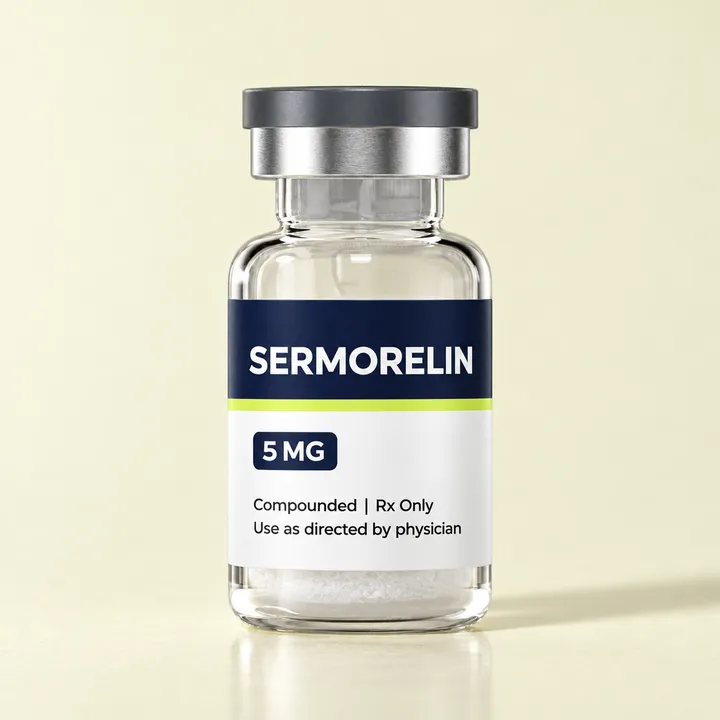
Deeper nights as a bedtime bonusSermorelin is dosed at night and rides the deep-sleep hormone pulse — deeper-feeling nights are its most reported perk, which is why people keep asking whether it makes you sleepy. It does for many. Officially an anti-aging prescription; the sleep is the welcome side effect.
May help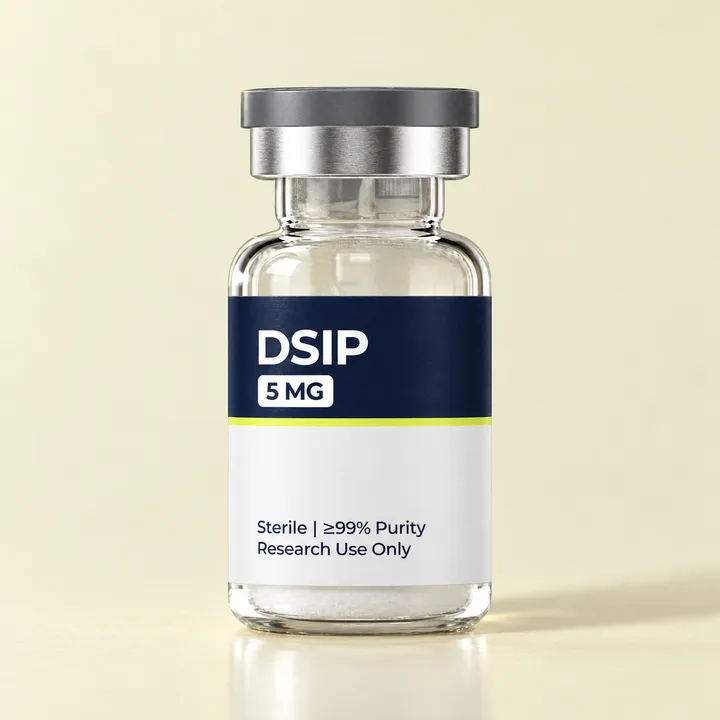
DSIP, the famous long shotThe one peptide literally named for sleep. Some people swear by it, studies stayed mixed for fifty years. If you want to try it anyway, the doses and the honest odds are below — eyes open.
Long shot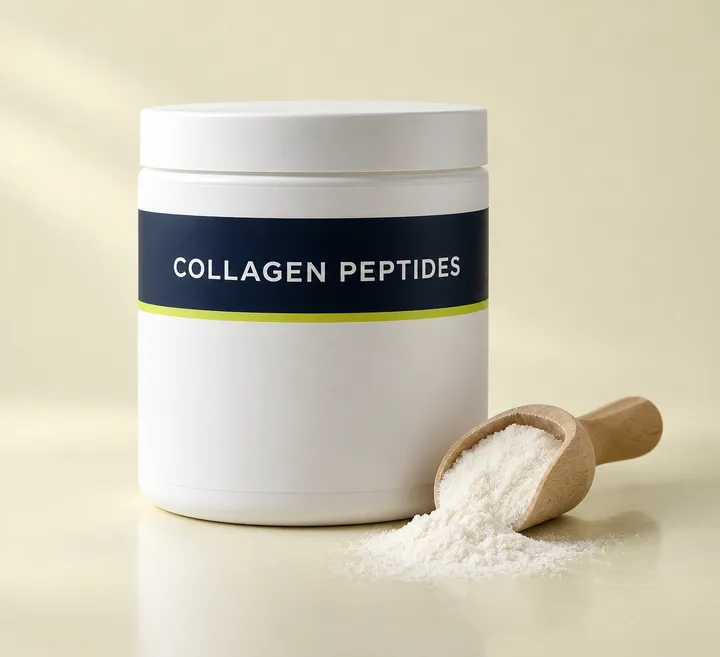
The cheap thing to try tonightA collagen scoop before bed delivers about 3 grams of glycine — the amino acid that modestly improved sleep in small studies. Costs almost nothing, completely safe, and you can start tonight. Just know the effect is real but small.
Cheap try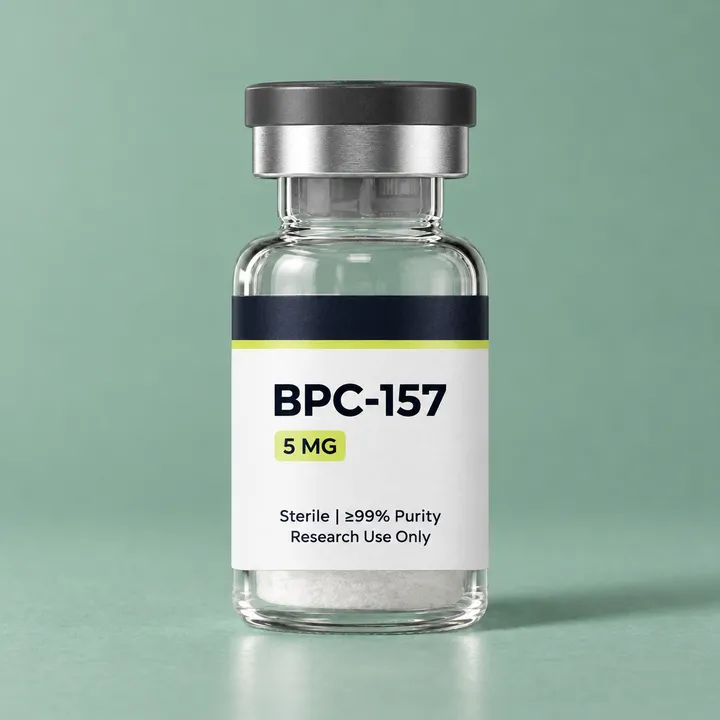
BPC-157 for sleepSave your money. No sleep mechanism, no sleep data — it is a healing peptide. A vendor selling it for sleep just told you everything about that vendor.
Skip itCannot fall asleep at all? The thing that beats every pill and every peptide in trials is sleep retraining — a structured program doctors call CBT-I. Six weeks, no side effects, results that stay. Any physician on the path below can arrange it.
Trying DSIP anyway
Fair enough — plenty do. What people report: a 5 mg vial, 100 to 300 mcg under the skin an hour before bed, two to four week runs. That is reported practice, not a recommendation, and results range from best sleep in years to nothing at all. The details people ask about:
How much DSIP peptide per day?
Reported community practice sits between 100 and 300 mcg once daily before bed. With a 5 mg vial and 2 ml of bacteriostatic water that is 4 to 12 units on an insulin syringe — the calculator does the exact math.
How long does DSIP take to kick in?
Users who report an effect describe it within 30 to 60 minutes of injection. The honest caveat: in controlled studies many felt nothing at all.
How long does DSIP last?
Its half-life in blood is minutes, which is one of the scientific puzzles — any effect on a full night of sleep cannot come from the peptide still circulating.
Where to inject DSIP peptide?
Subcutaneously — abdomen or outer thigh with a short insulin needle, sites rotated. The injection guide covers technique.
What are the side effects of DSIP?
Small studies reported little beyond injection-site irritation and occasional headache, but nobody has followed users long term — absence of data is not proof of safety.
Do the dose math
Which to take at night
Sermorelin and ipamorelin — bedtime, alwaysThey ride the overnight deep-sleep hormone pulse; morning dosing wastes the mechanism
GLP-1 weekly shots — any time you will not forgetMorning or night makes no difference for retatrutide, semaglutide or tirzepatide
What it costs
Sermorelin, $149 to $259 a monthReal telehealth programs with the consult included
Tirzepatide for sleep apnea, $149 to $434Normal GLP-1 pricing through a physician
DSIP — gray vials onlyNo legitimate program sells it, which tells its own story
See every advertised price
Questions people ask
Which peptide is best for sleep?
By evidence: tirzepatide if the problem is sleep apnea with obesity, because it is actually approved for that. For ordinary bad sleep, no peptide is proven — sermorelin at bedtime is the most reported indirect helper, and CBT-I beats them all.
What peptide makes you fall asleep?
None reliably sedates you. DSIP was designed for it and the data stayed mixed. Anything that knocks you out is not working through a peptide mechanism.
Can peptides help with insomnia?
Chronic insomnia responds best to CBT-I — that is the boring, true answer. Peptides play at the edges: deeper-feeling nights on sermorelin, an unproven maybe on DSIP.
Does BPC-157 make you sleepy?
No. Drowsiness is not among its reported effects, and it has no sleep mechanism. It is a healing research compound.
Does sermorelin make you sleepy?
Many users report sleepier, deeper-feeling nights — expected, since it amplifies the growth hormone pulse that happens in deep sleep. That is also why it is dosed at bedtime and why some feel groggy if they take it too late.
Can sermorelin cause insomnia?
Occasionally reported when taken too close to midnight or at high doses — vivid dreams and restlessness. Moving the injection earlier in the evening is the usual fix a physician suggests.
Do collagen peptides help sleep?
Slightly, through glycine: about 3 grams before bed improved subjective sleep in small studies. A collagen scoop delivers that glycine — cheap to try, honest to expect little.
What about peptides for sleep apnea?
Tirzepatide is FDA approved for obstructive sleep apnea with obesity — the one real, prescribable answer on this page. A physician confirms the diagnosis first, usually with a sleep study.
Sources: PubMed — DSIP studies · PubMed — glycine and sleep · FDA — tirzepatide OSA approval